
Candy Boys 3 (2019)
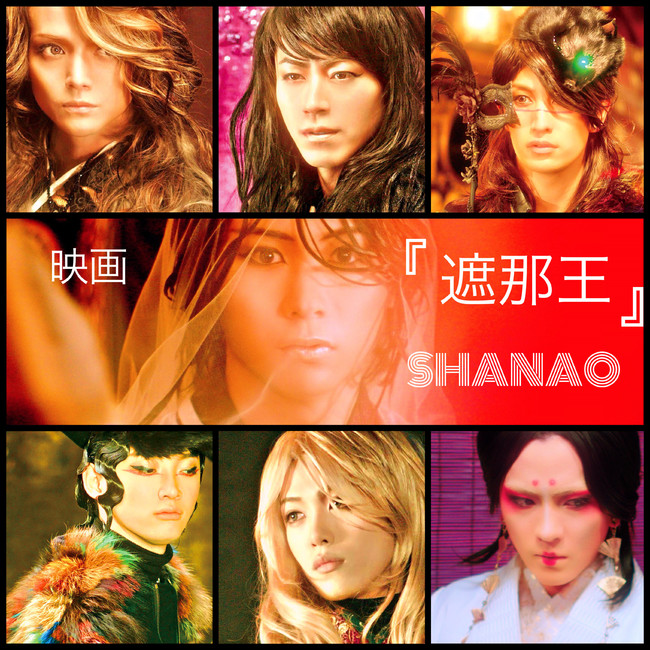
Set in a world inhabited only by men, this BL-themed movie depicts an alternate version of Genpei War which pitted two major powers against each other.
The full title is "Shanaō O-Edo no Candy 3", but it's easier to refer to it as Candy Boys 3 which comes from the French title on the poster "Les Garçons-Bonbons" (and you can also hear it in the iconic music in the first two movies). This is the third movie in the Candy Boys series, but it's not connected to the prior two titles in any major way other than depicting fated love and being set in the world of Edo, a world inhabited only by men. The first two movies do explain some of the lore, but it's not really necessary for this movie. As you can imagine in a world where only men exist, familial relationships often go to the side.
This movie is largely inspired by Japanese history, namely Genpei War and two rivalring clans that clashed against each other - Taira (also known as Heike) and Minamoto (also known as Genji) clans. I won't explain that in detail since the movie deviates from it, but if you're interested in reading a quick summary about this period of time, I recommend reading this article. There are plenty of videos and articles explaining more if you feel like that wasn't enough.
It can be quite confusing to place all the characters, so I explain who they are below, along with their historical counterparts.
Also, some projects were unavailable for like two days! Sorry about that. No one reached out to me about them, so I don't think anyone missed them anyway. It's fixed now, so they should appear along with Dousoukai ep 2.
Cast:
Suga Kenta as Shanaō (Minamoto no Yoshitsune), Shanaō was actually Yoshitsune's name at the temple he was hiding at in exile. The word Shanaō 遮那王 is composed of 遮那 (Mahavairocana - who's a Buddha in Mahayana and Vajrayana Buddhism) and 王 (king).
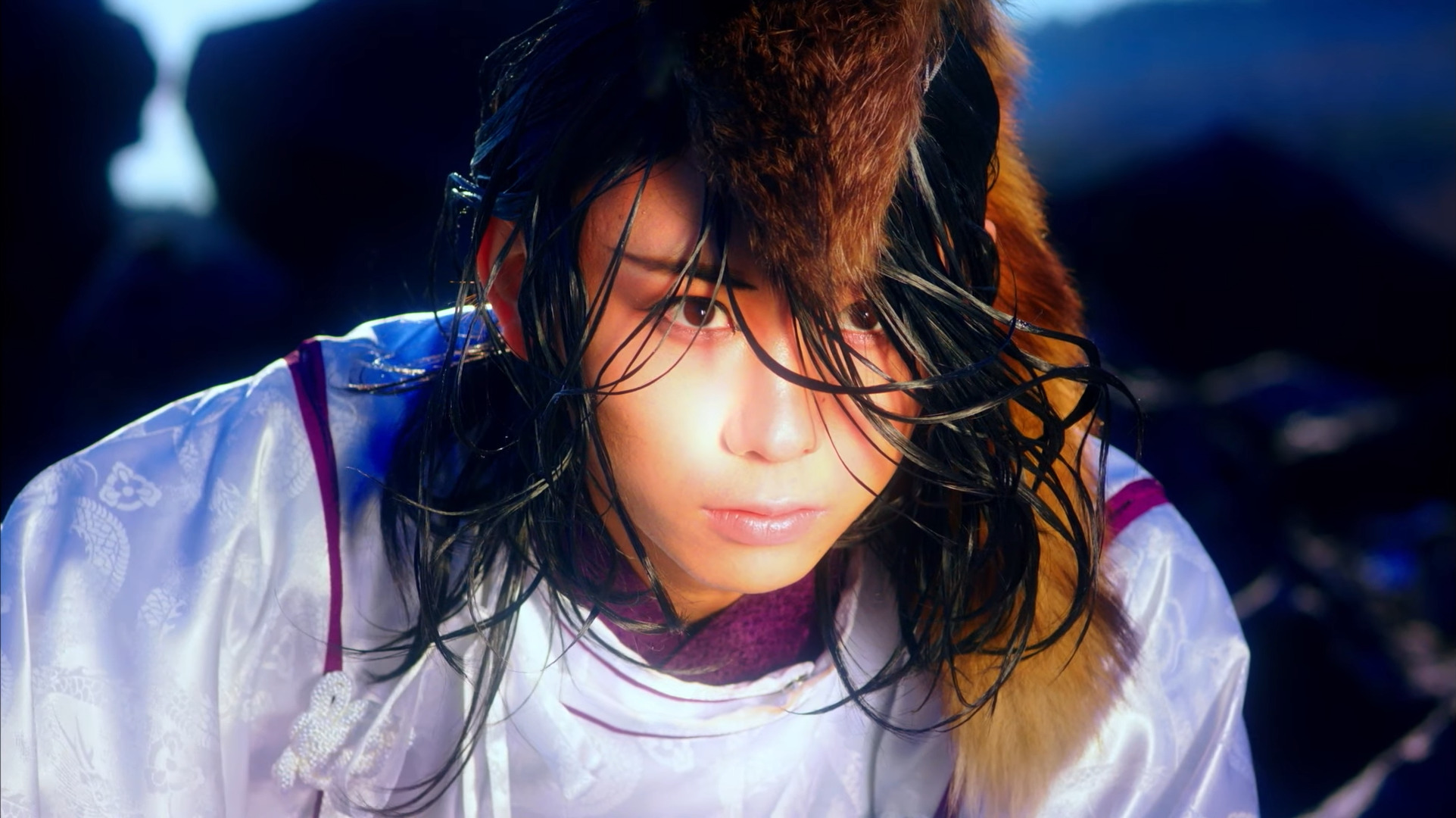
Note since the movie itself uses Shanaō, I went with this romanization, even though it's not my style of writing it.
Miura Ryōsuke as Benkei (Musashibō Benkei)

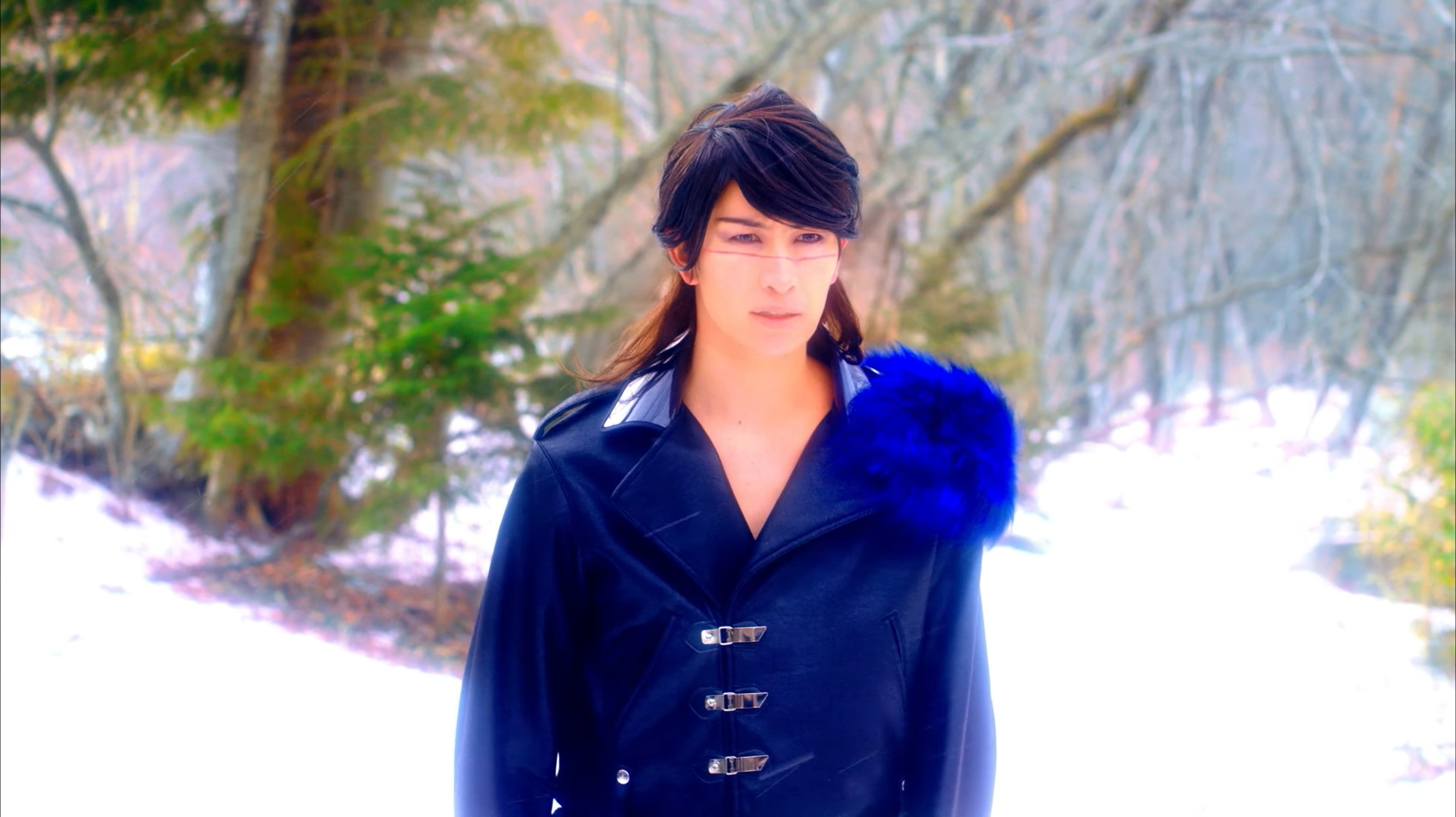
Imari Yū as Tomomori (Taira no Tomomori), the second son of Kiyomori, but in reality he was the fourth son of Taira no Kiyomori
Zaiki Takuma as Omasa (Hōjō Masako), the wife of Minamoto no Yoritomo
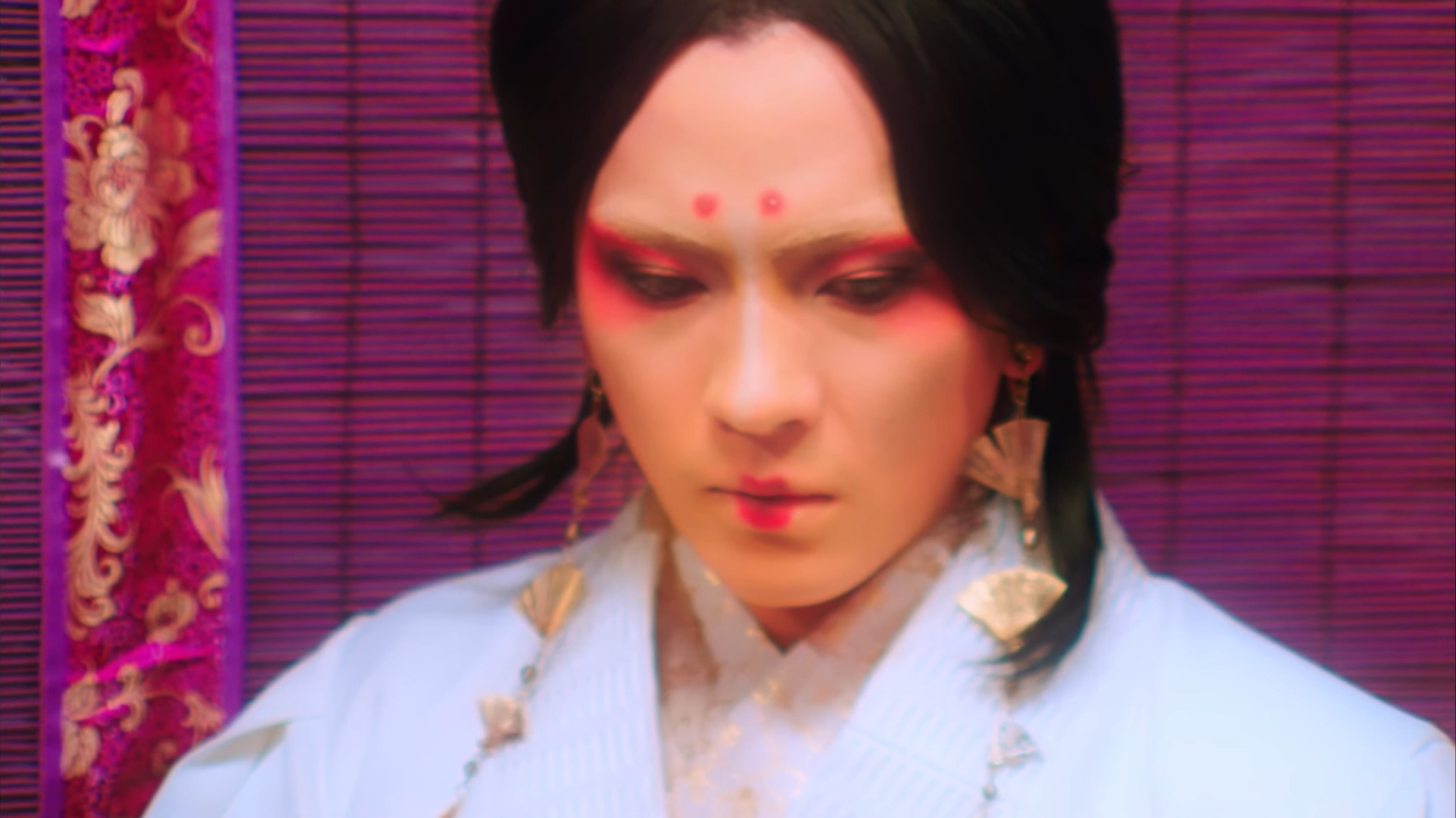
Tateishi Toshiki as Oshizu (Shizuka Gozen - famous court dancer and Minamoto no Yoshitsune's mistress)

Daigo Kotarō as Ōhime, eldest daughter of Yoritomo (technically her real name is unclear, but Ōhime was a word used for eldest daughters of high-born people or daughters of someone of high social standing back then) who died very young at the age of 20, spending most of her life traumatized
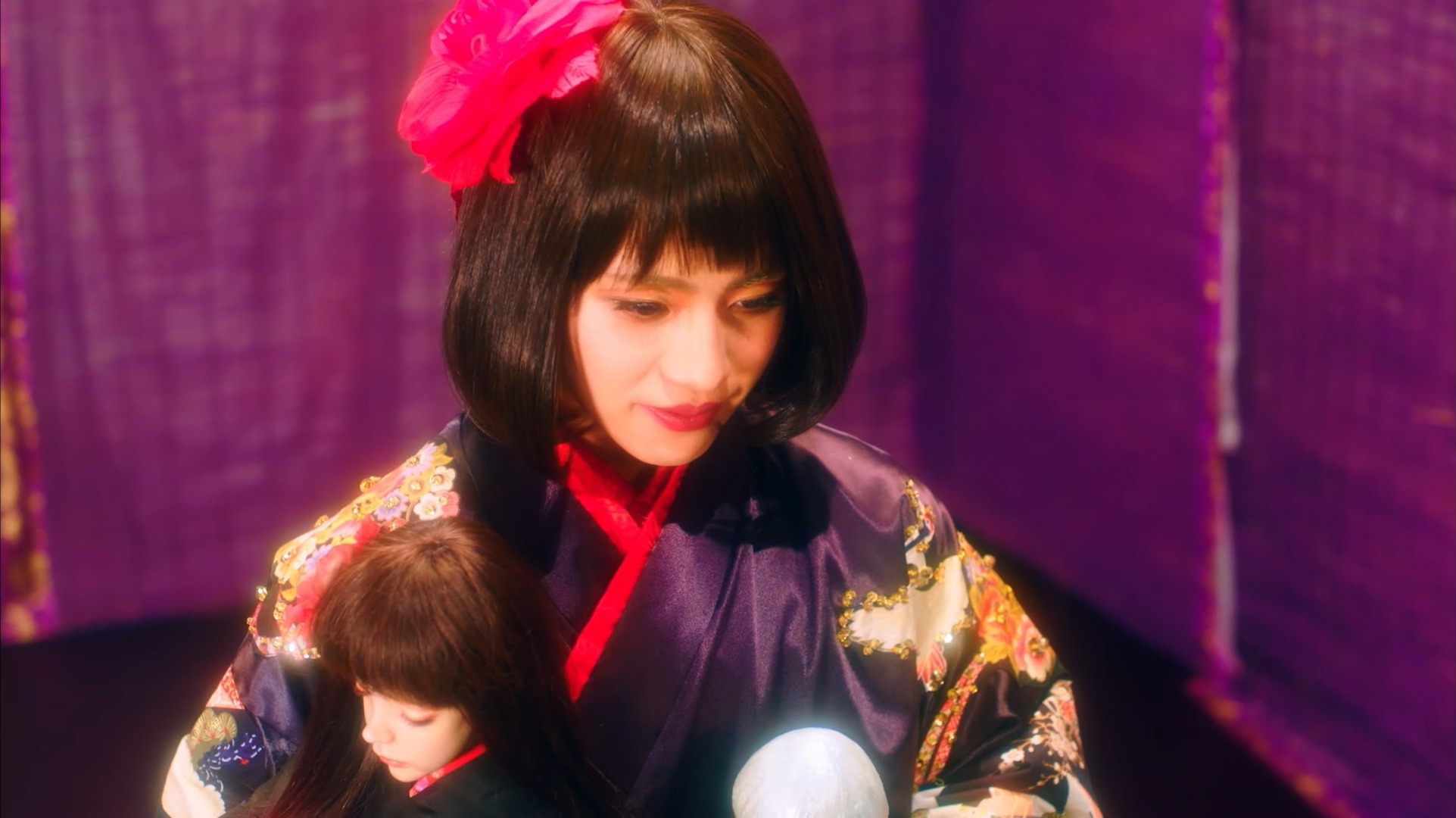
Wagō Shin'ichi as Shigehira (Taira no Shigehira), third son of Kiyomori, but in reality he was the fifth son of Taira no Kiyomori
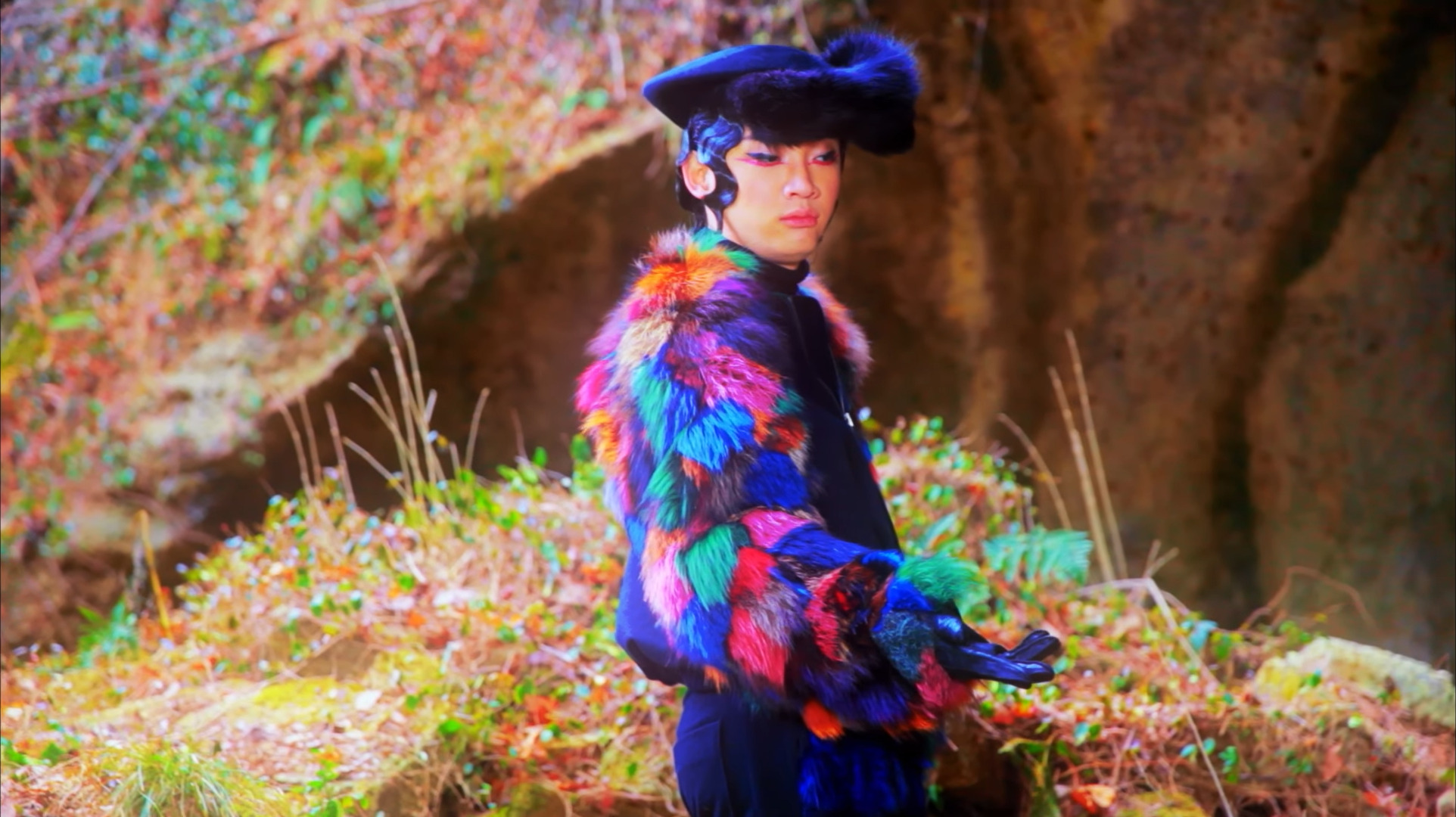
Aoki Tsunenori as Munemori (Taira no Munemori), eldest son of Kiyomori in the movie, but in reality he was the third son of Taira no Kiyomori

Konishi Seiya as Kichiji (Kaneuri Kichiji)
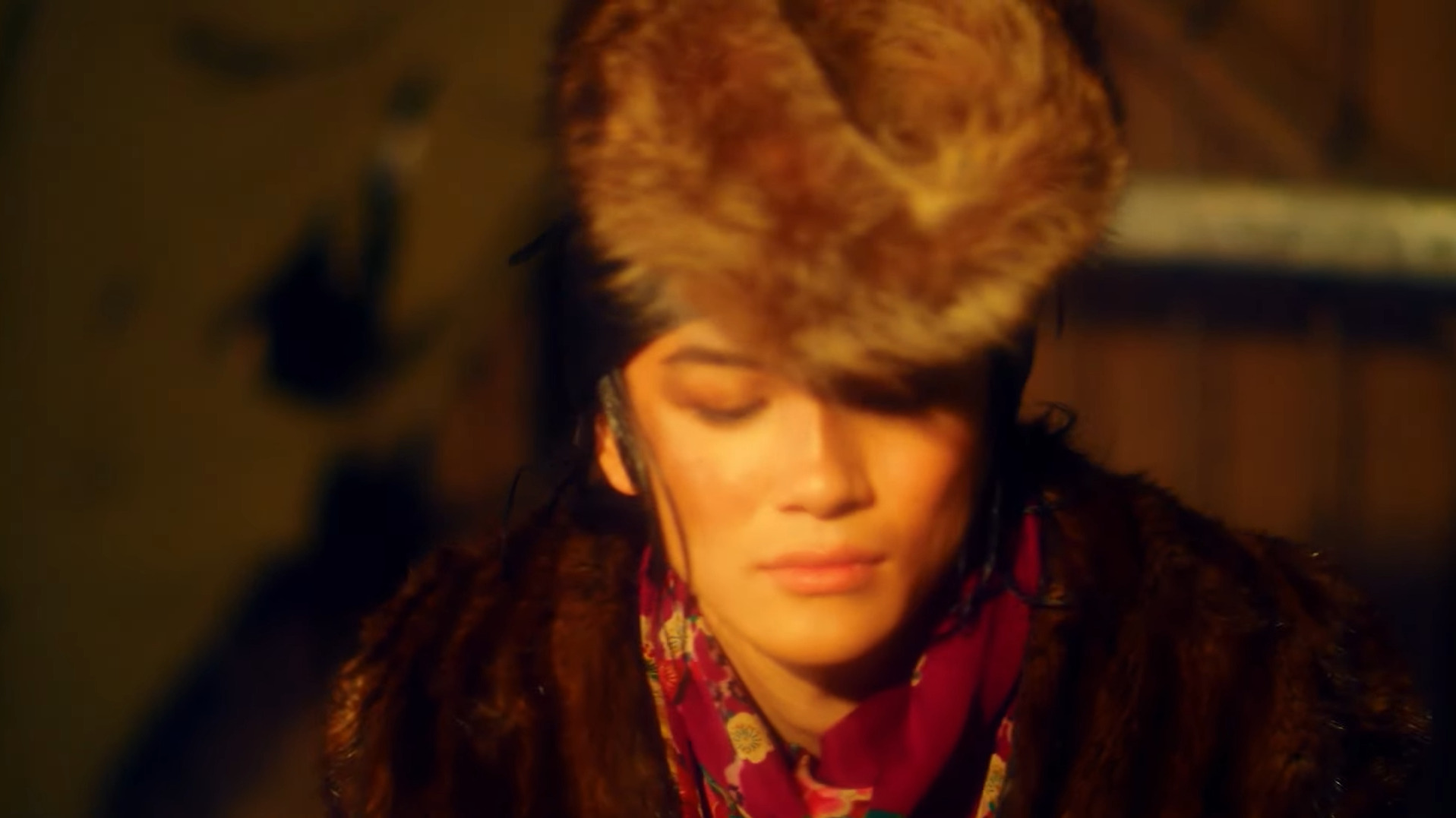
Teruma as Yoichi (Nasu no Yoichi)
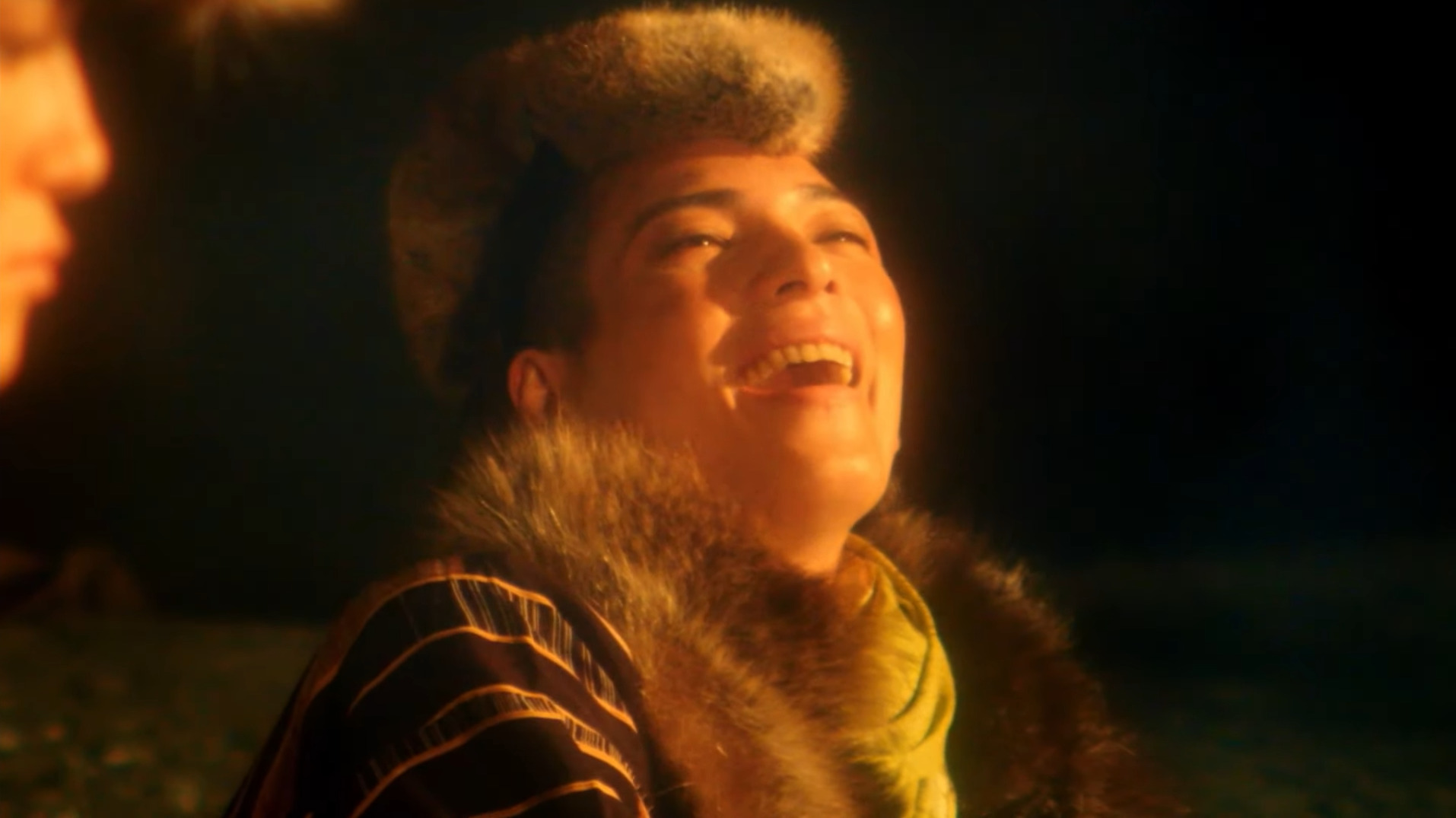
Fukikoshi Mitsuru as Kajiwara (Kajiwara Kagetoki)
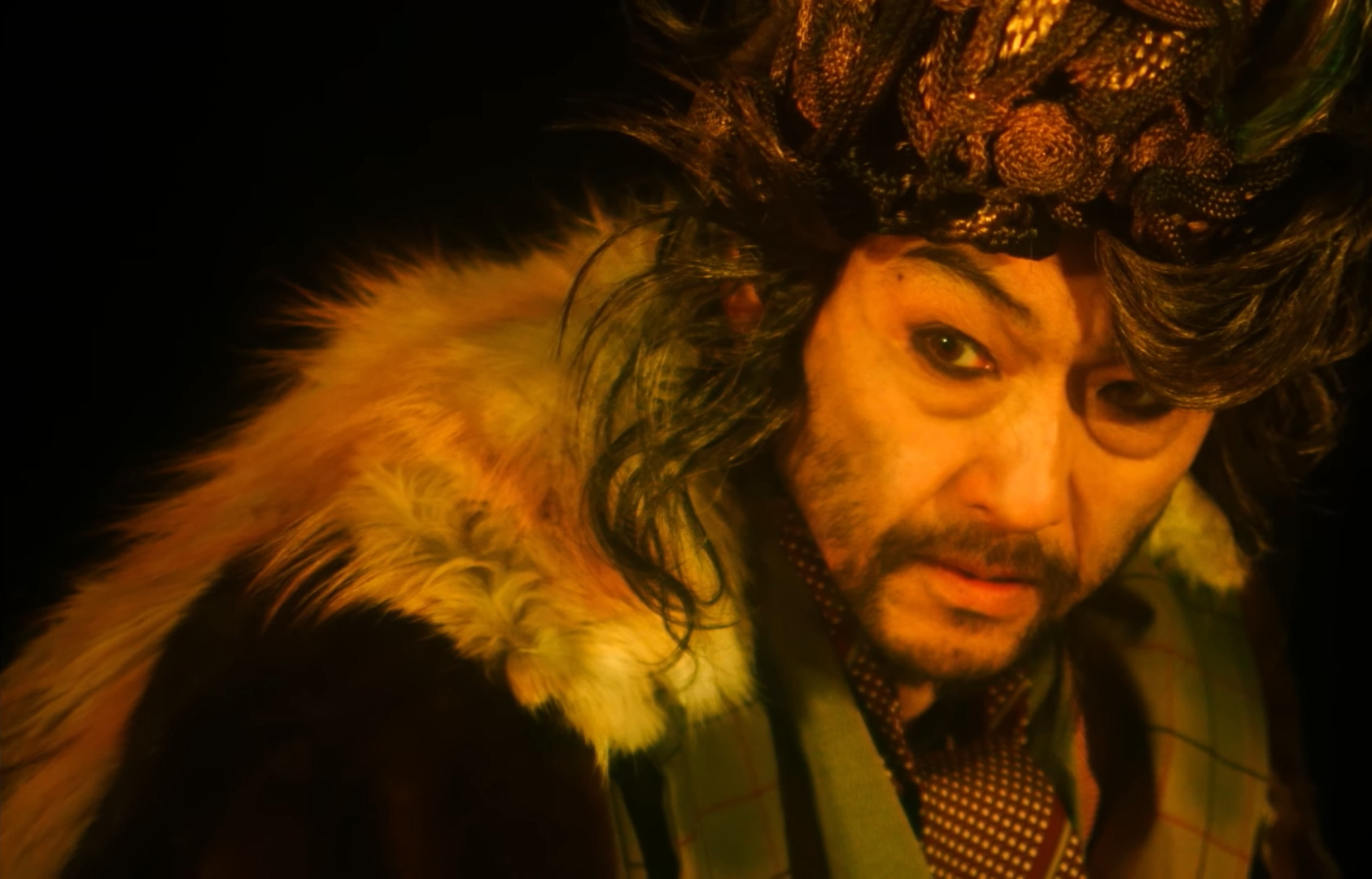
Takenaka Naoto as Kiyomori (Taira no Kiyomori)
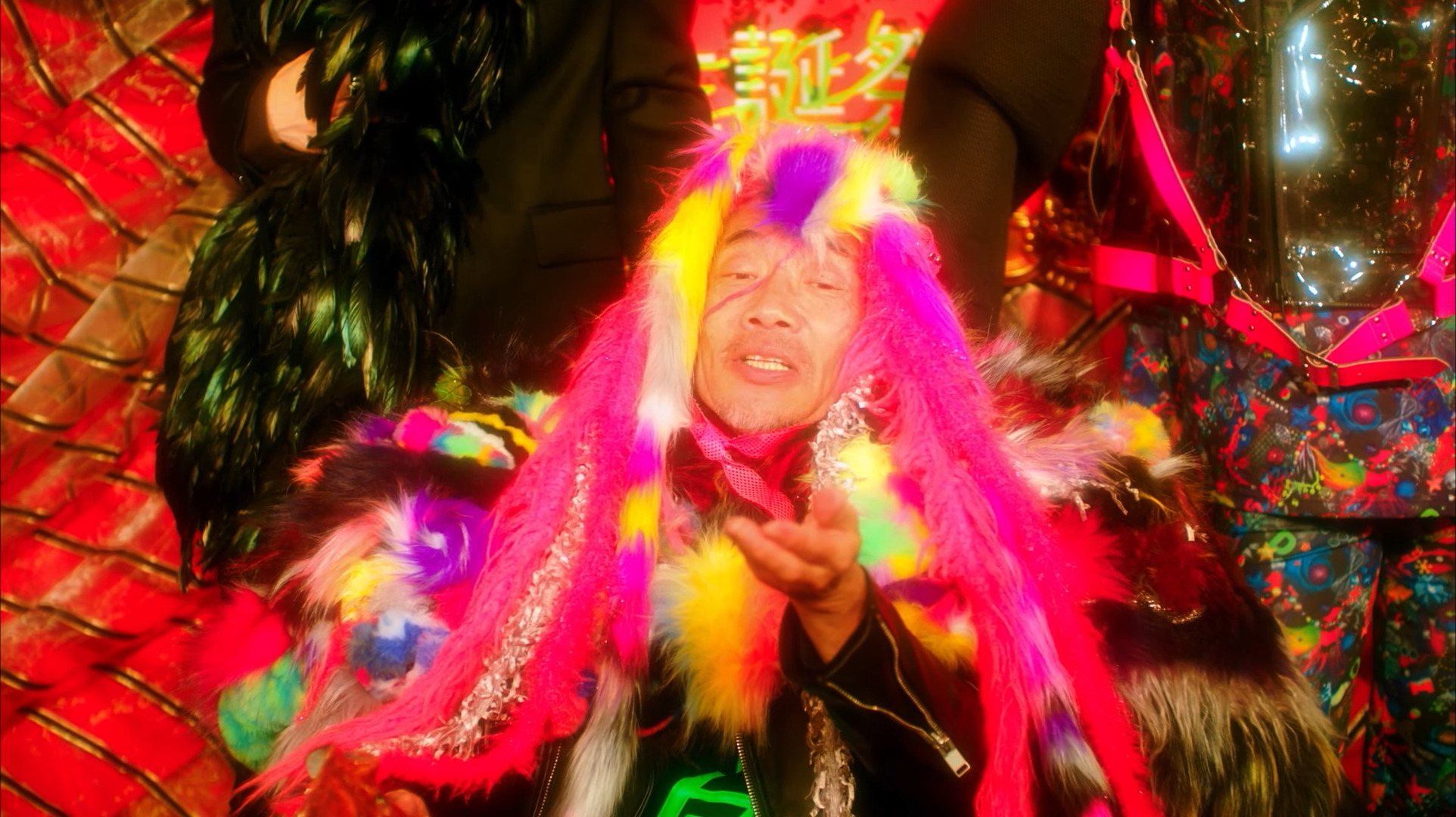
Ishibashi Renji as former emperor - Emperor Go-Shirakawa (Go-Shirakawa-tennō)
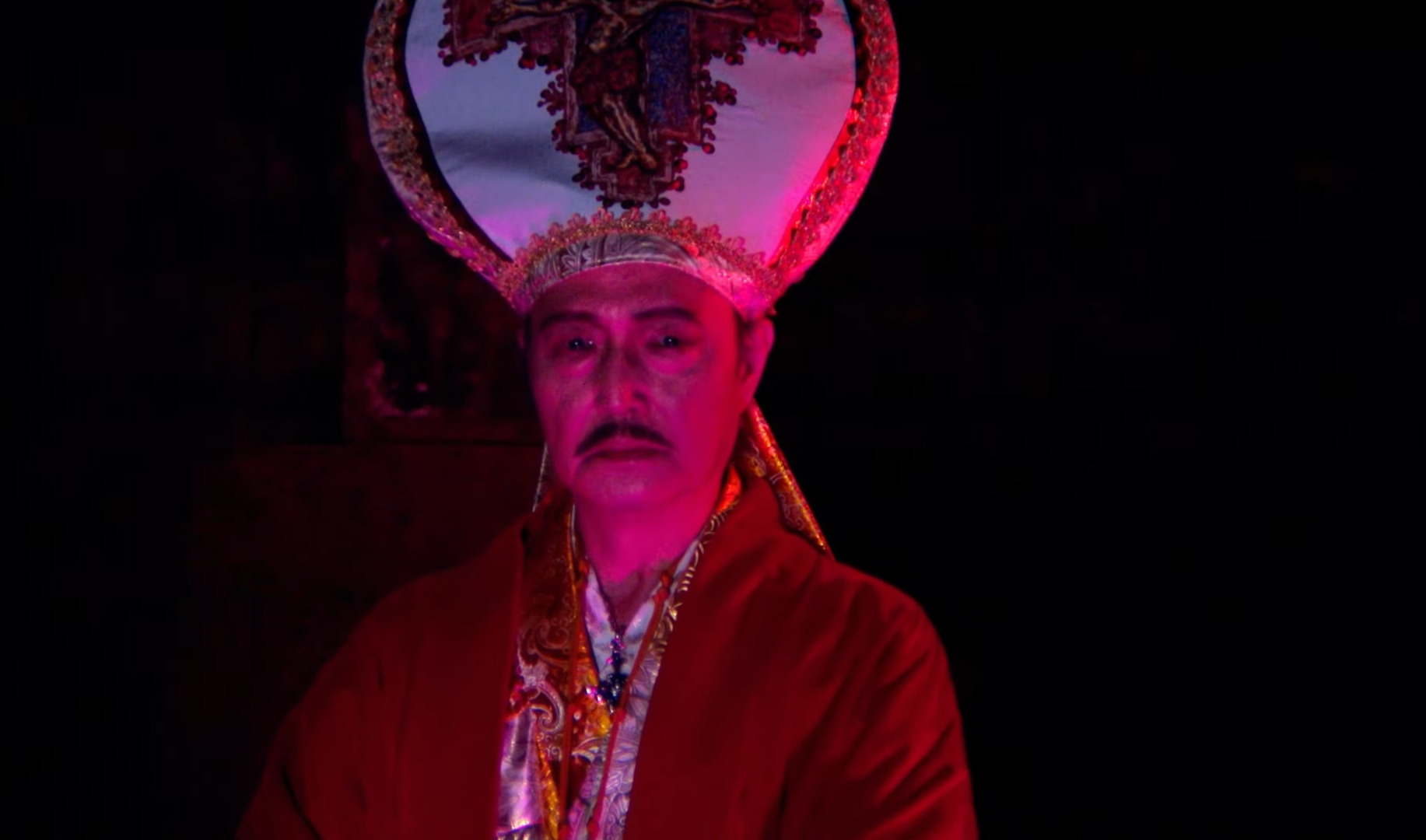
Hirose Tomoki as Yoritomo (Minamoto no Yoritomo)
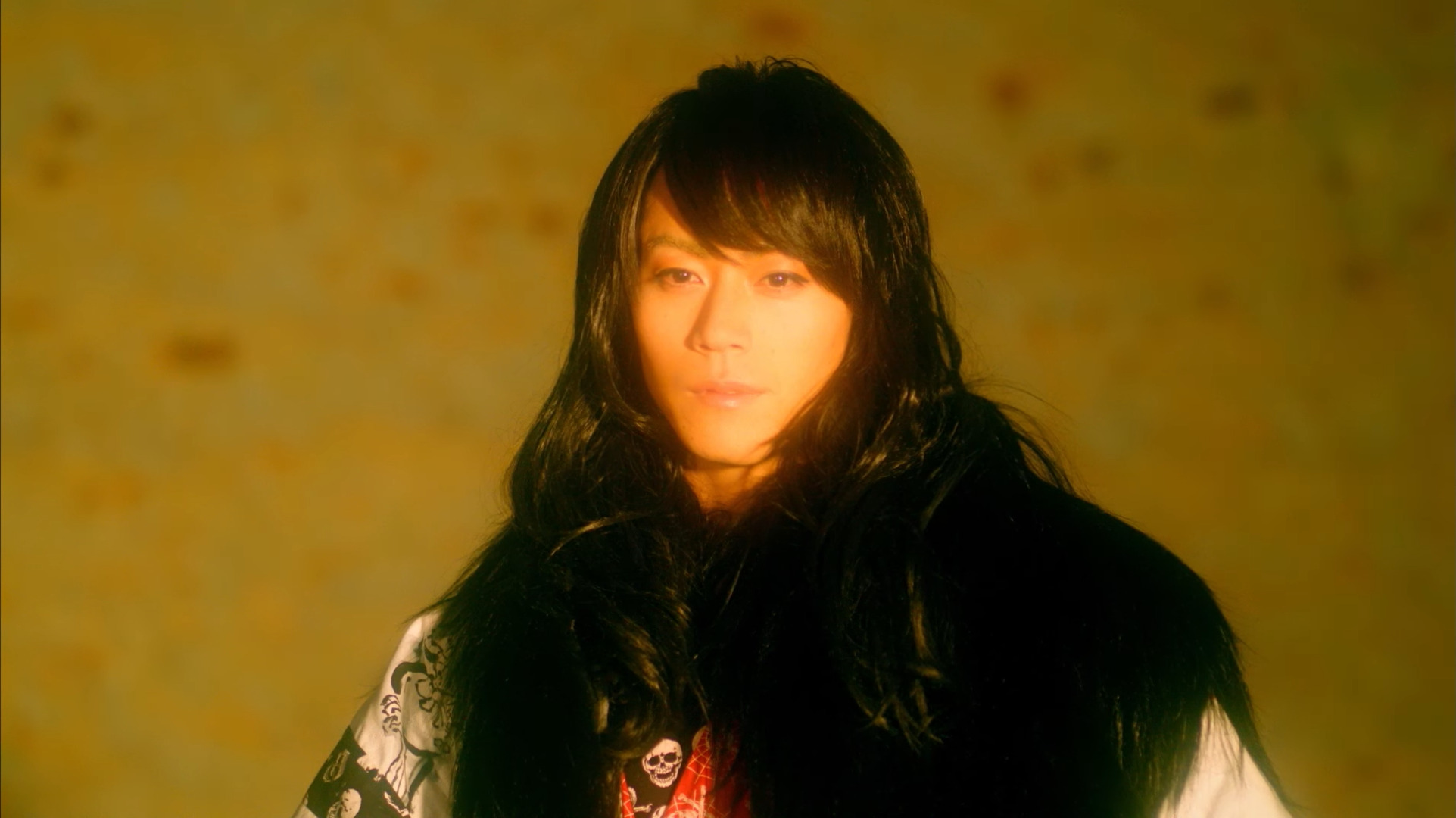
Other actors:
- Watanabe Aoto
- Yamada Aina
- Nakayama Satsuki
Narration: Maro Akaji
Here are some translation notes about this movie, but there are spoilers ahead, so read these after watching.
- You may hear Shanaō or Yoritomo being referred to as Genji no Onzoushi. Onzoushi (御曹司) as a word is currently used for sons of rich/influential families who are set to inherit the family's legacy or fortune, but in the past it'd be used to refer to the sons of the Genji (Minamoto) clan. I translated it as Genji son since that's the best meaning. This isn't in the movie, but for some trivia: The sons of the Heike (Taira) clan were called "kindachi" (公達).
- About that sennin-giri. It's actually said that Benkei was never defeated until he met Yoshitsune. He was the 1000th person that Benkei fought, but couldn't defeat. After that, Benkei pledged his undying loyalty to Yoshitsune. The movie merges the two meanings of sennin-giri and uses Benkei sleeping with them as a means of defeating them in a way (possibly making them loyal to Shanaō).
- "Liberté, égalité, fraternité" is a French national motto and means "liberty, equality, brotherhood".
- I found it really funny that Kiyomori named the parrot Yoritomoto, his mortal enemy. Still not sure if the parrot is meant to represent something or if he was being used as a spy. Let me know if you have any thoughts on this!
- Benkei was actually a vassal of Minamoto no Yoshitsune. Benkei as a warrior monk protected him loyally, and there are several legends associated with him.
- The poisonous mushroom was actually highly poisonous, but not that poisonous as they make it out to be. Destroying angels (Amanita virosa) have amatoxins that are fatal, but they shouldn't get absorbed through the skin like that. I don't think there's such a high risk of putting your hands into your mouth after holding it in them, but there'd definitely be a risk if it got mixed with saliva and you chewed on it. But I'm not a mushroom expert so don't quote me on that. I wasn't sure how to sub those lines because of that, but I think it makes sense this way.
- The marriage of Yoritomo to Hōjō Masako was not just political one as she was known to be quite jealous and married Yoritomo against her father's wishes. She ended up holding quite a lot of power through her marriage to Yoritomo even though she married him when he was exiled by the Heike clan. After Yoritomo's death, she became a Buddhist nun, but she still held great power and influenced a lot of events. She became known as nun-shōgun.
- Blister beetles have a poisonous compound called cantharidin. Symptoms of poisoning are vomiting blood, burning of gastro-intestinal tract, agitation, impaired consciousness, seizures, damage to the kidneys, fever, electrolyte imbalances, and drops in blood cell counts. Death comes from kidney failure for the most part.
- Crimson red was a dye extracted from safflowers back then and it was very expensive, so it was dilluted into light pink / faint red.
This movie doesn't have a lot of lines, but it was tough to hear them because of the loud music or they were whispered (common feature of my projects anyway), so I improvised a bit on four lines, and some lines are empty since I wasn't fully sure about them. As always, feel free to let me know if you can fill/correct something!
If you enjoyed watching, feel free to leave a comment below, support me on my ko-fi, or leave a review on MDL/Letterboxd.
Comments